PREM MUKTI MAYI
Monte Kailash
The Path of Purification
September 2-16, 2026
It is not just a trip...
...it is a reunion!
About
Monte Kailash
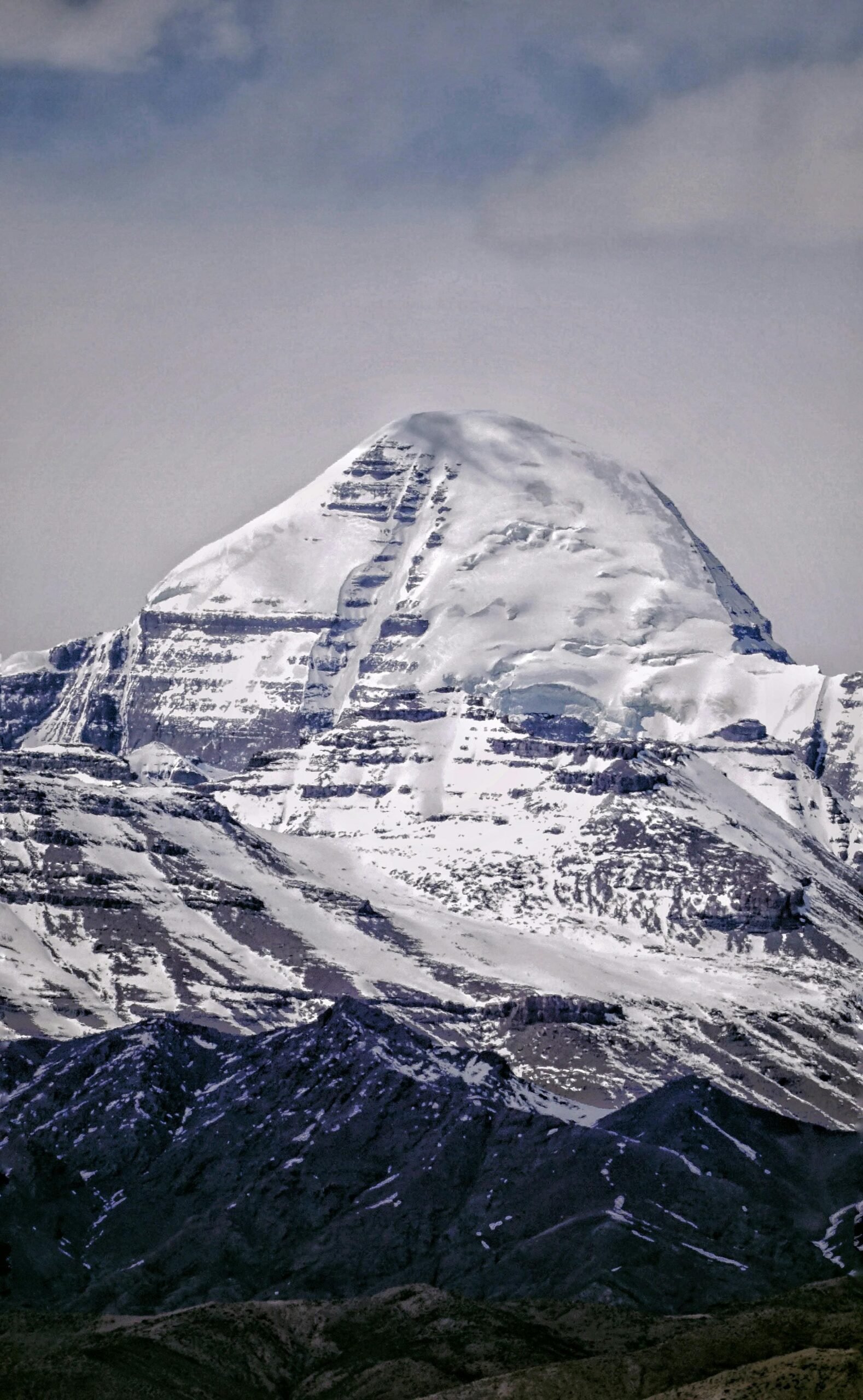
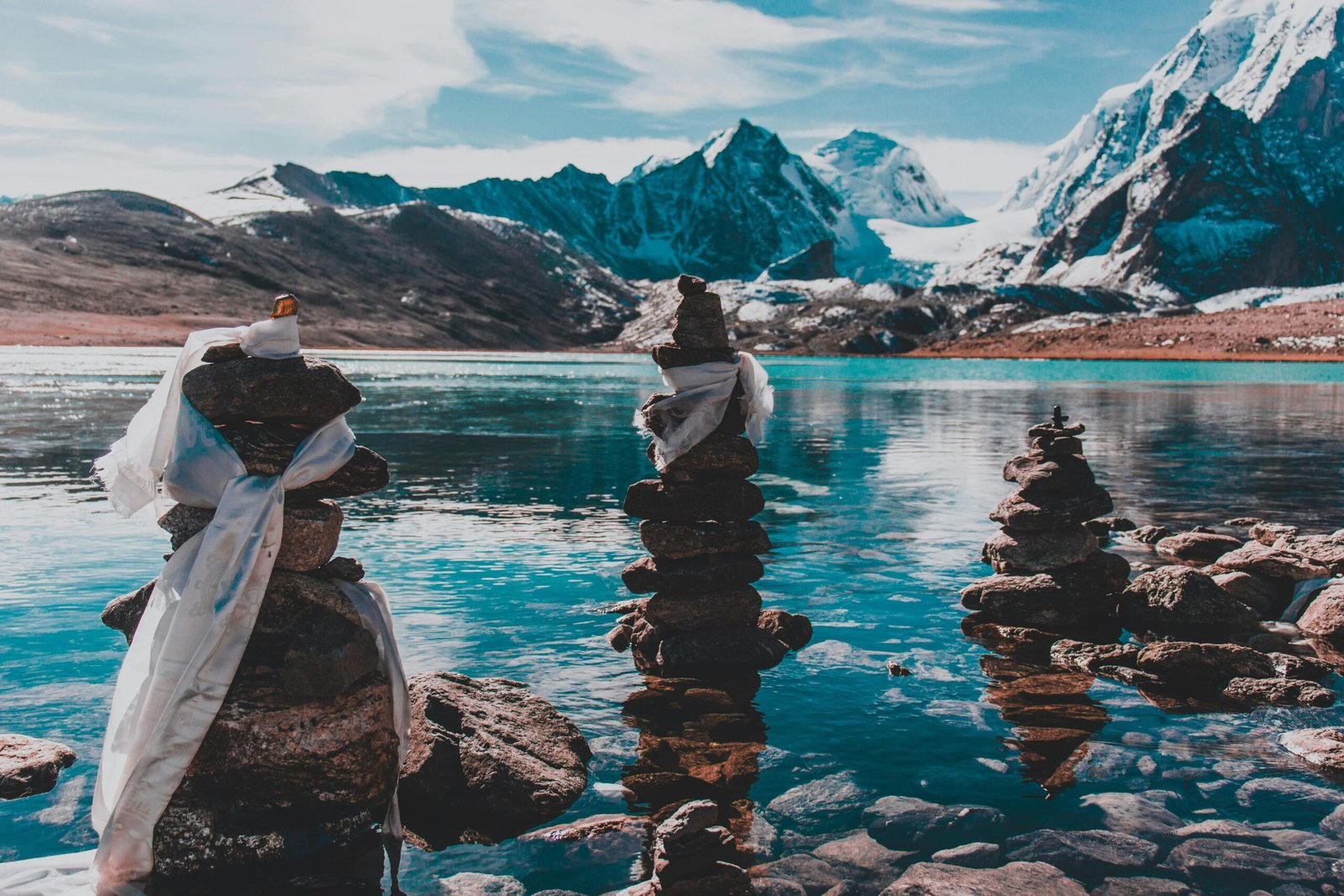
Mount Kailash is one of the most sacred places on the planet, revered by different spiritual traditions. For Hindus, it is the eternal abode of Shiva; for Buddhists, it symbolizes the path of enlightenment; for Jainists, it is where Rishabhanatha attained liberation; and for the Bon tradition, it represents the mystical center of the universe.
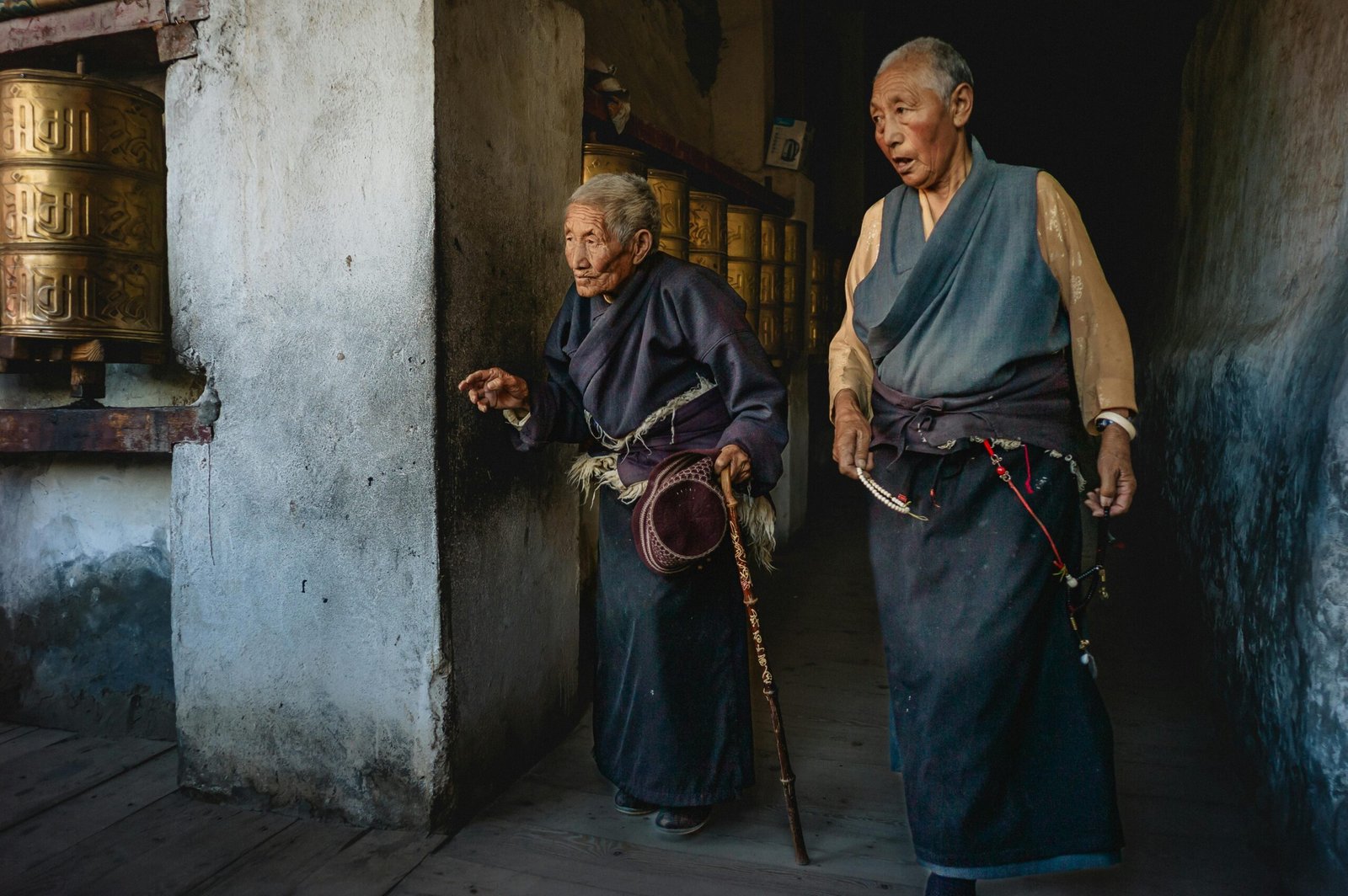
Walking around the mountain is an act of purification and surrender. Each step invites inner silence, detachment and reconnection with the sacred — this is a ritual called Kora.
The Himalayas that surround Kailash have been recognized for millennia as a portal of consciousness, where time seems to dissolve and the meeting between heaven and earth reveals itself in the silence of the mountains and in the walking itself.
There is a legend that says Shiva chose this place as his home because there the human mind naturally becomes quiet, allowing the sacred to manifest.
Kora
The Sacred
Circumambulation
52km of challenge and devotion around Mount Kailash.
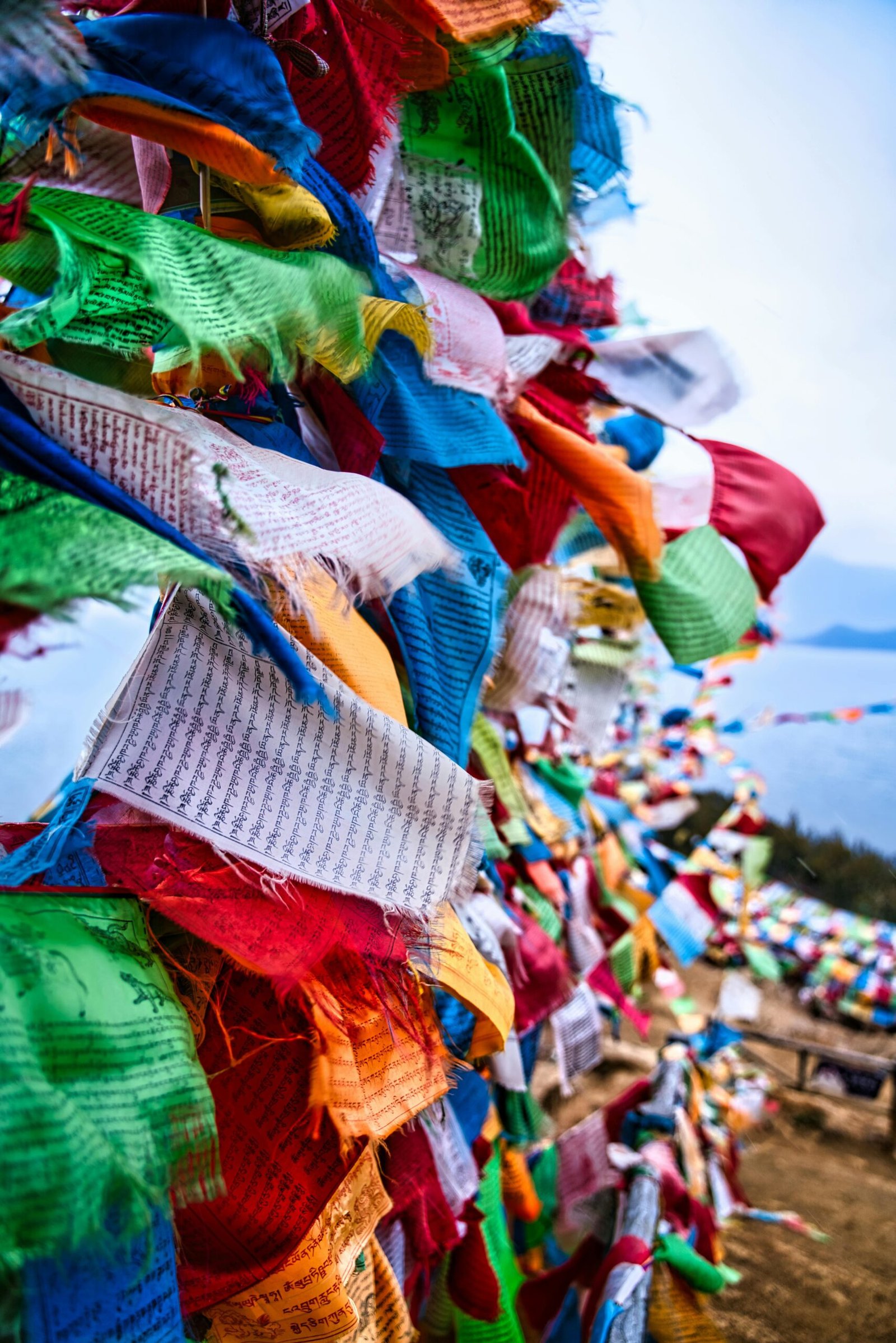
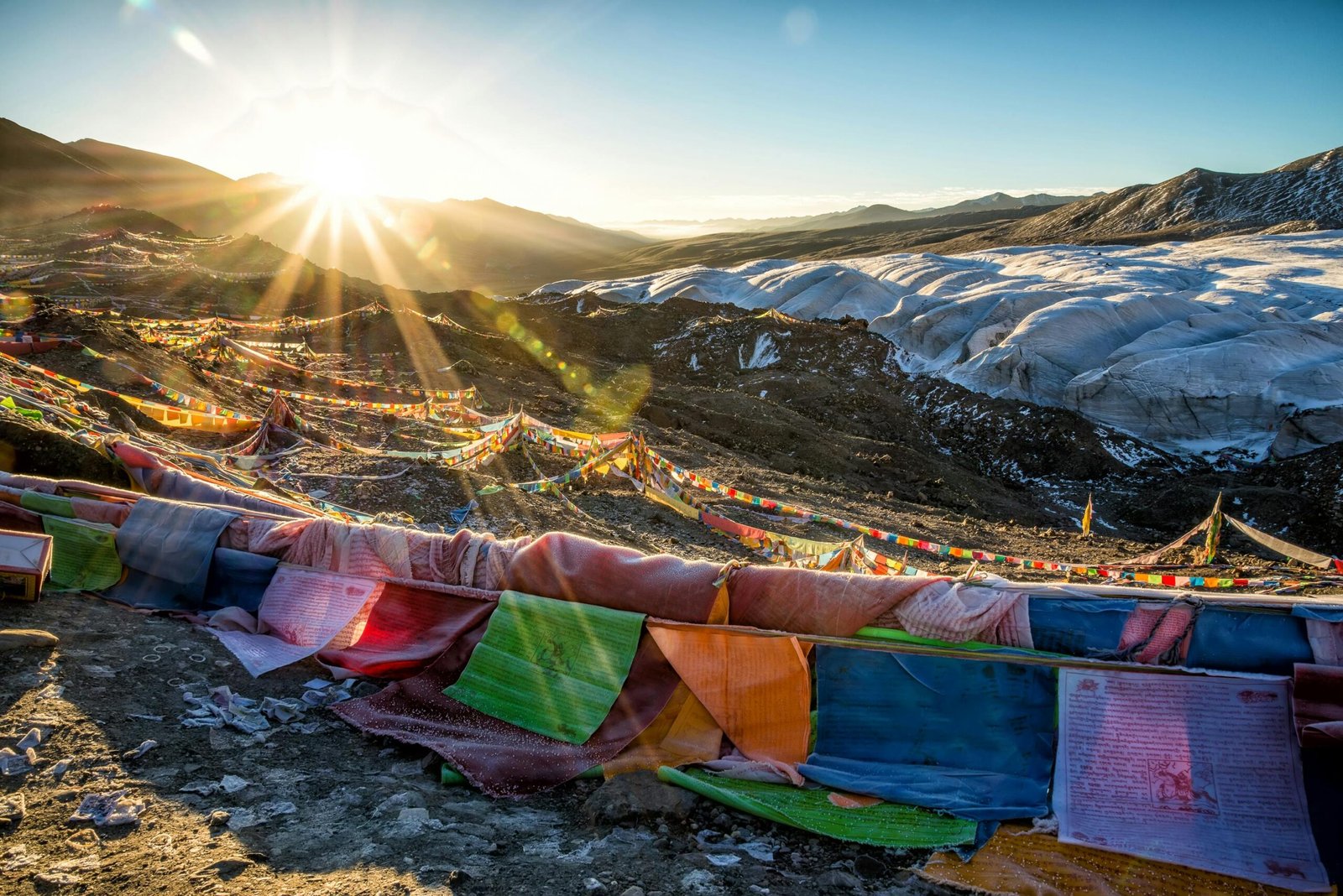
Performing the Kora — the sacred walk around Mount Kailash — is the culmination of the pilgrimage. It is approximately 52 kilometers of crossing, traveled in three days, traversing landscapes of absolute silence, valleys of pure wind and slopes covered by prayer flags. The walk takes place at high altitudes, with an average above 5,000 meters, reaching the highest point at Dolma La pass, at an impressive 5,630 meters of altitude.
It is a journey that demands preparation and surrender. The altitude tests the limits of the body, but the true path happens within: each step is a gesture of letting go, each breath is an offering, each bend in the mountain reveals a new internal space. It is not about conquering Kailash, but about allowing it to reveal what needs to be seen.
Kailash invites meeting with the essential — and each form of presence is honored in this journey.
What You Will Find
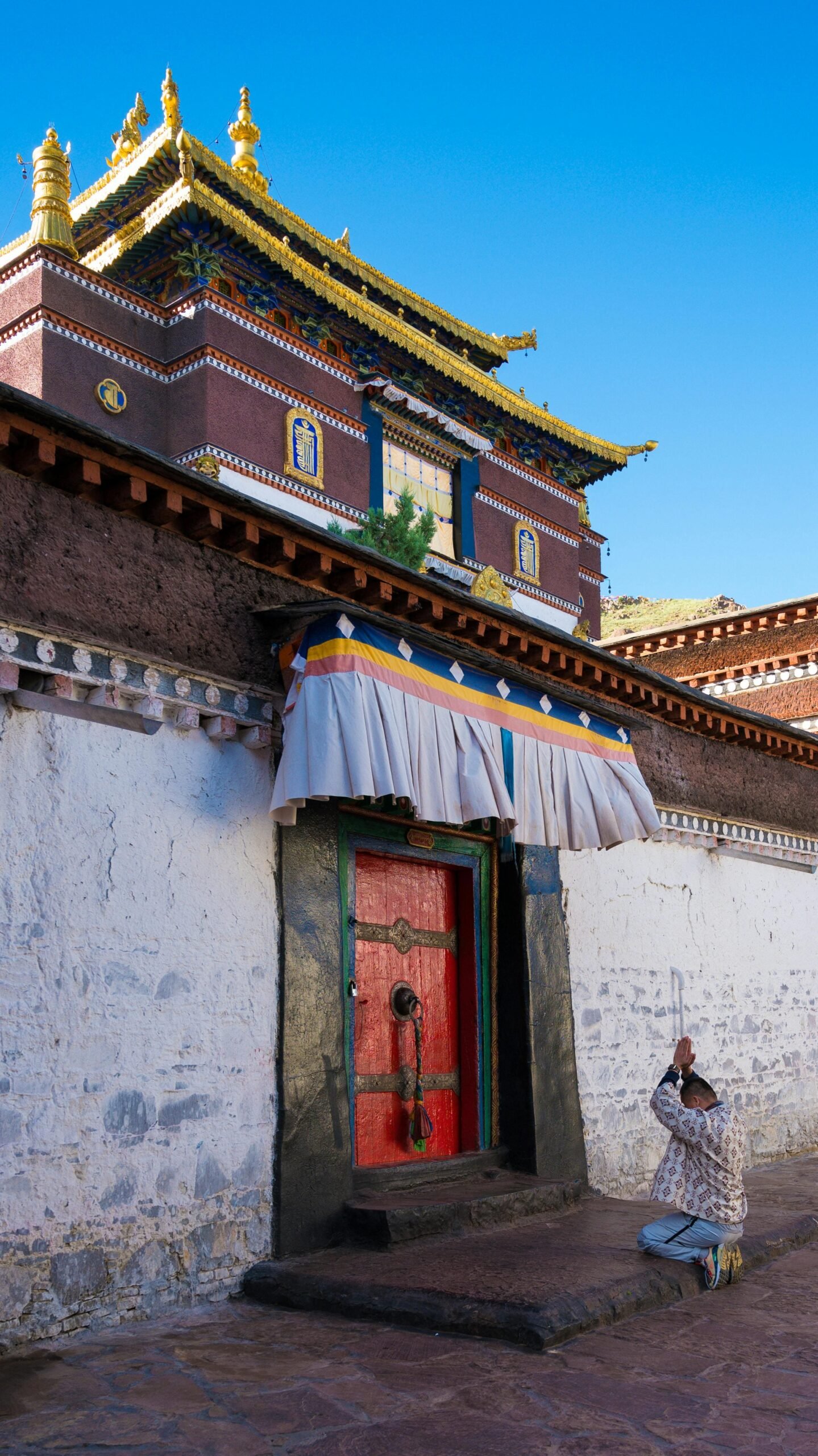
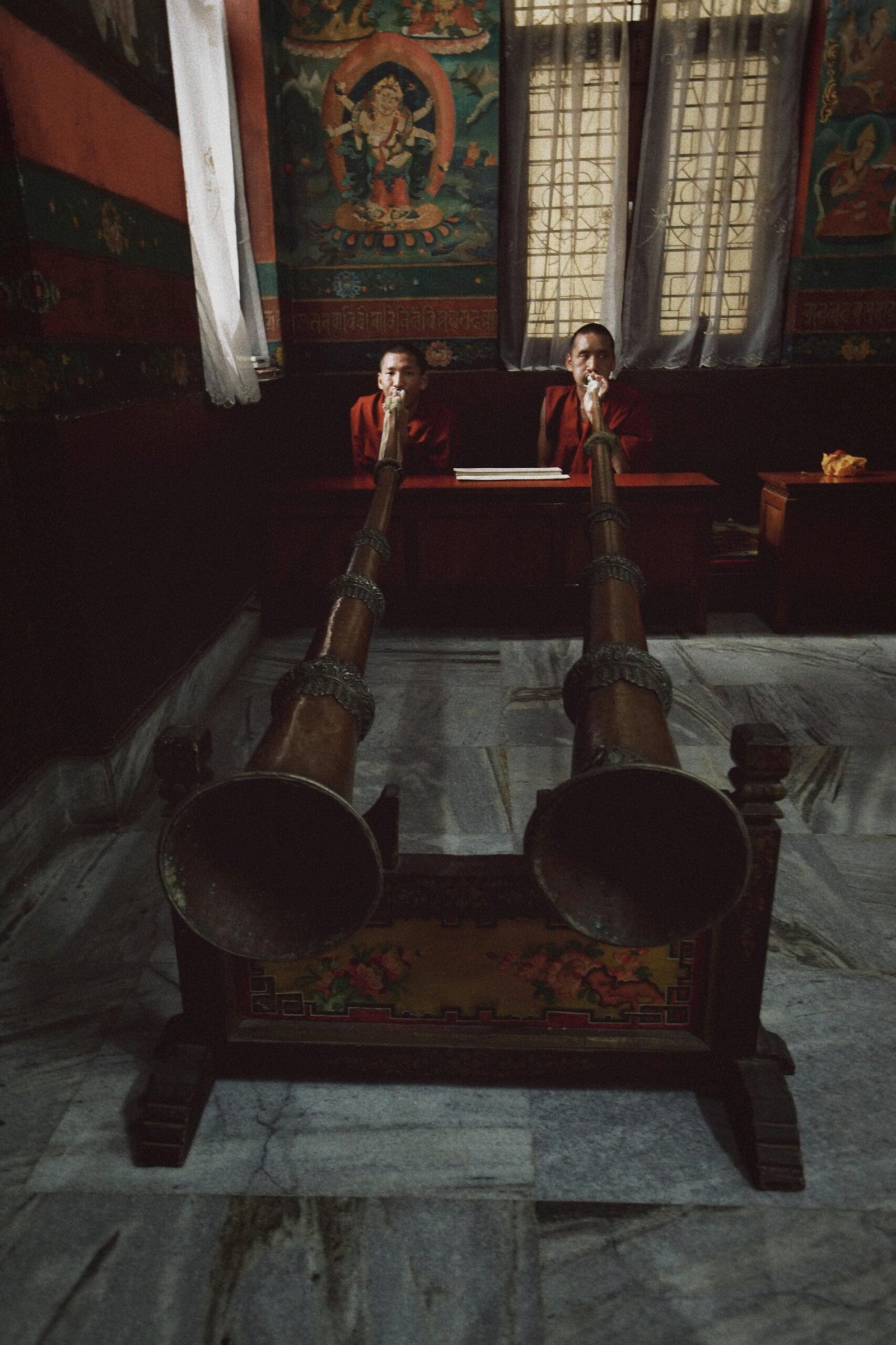
Tap the images to feel the path.
Spiritual guidance
from Prem Mukti Mayi
Spiritual itinerary
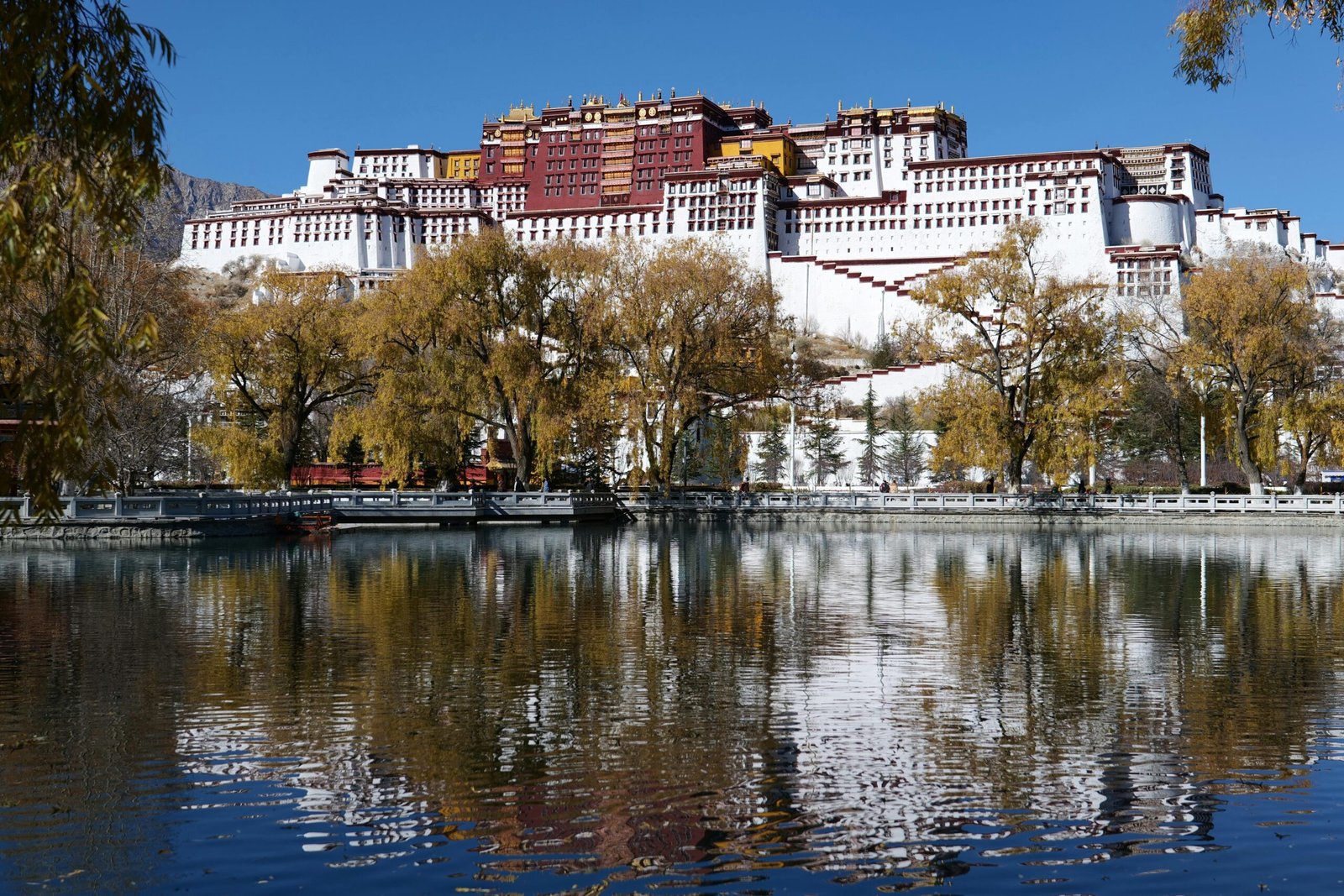
through Tibet and extraordinary landscapes
Ancient
monasteries
Lake Manasarovar
and Kora around
Kailash
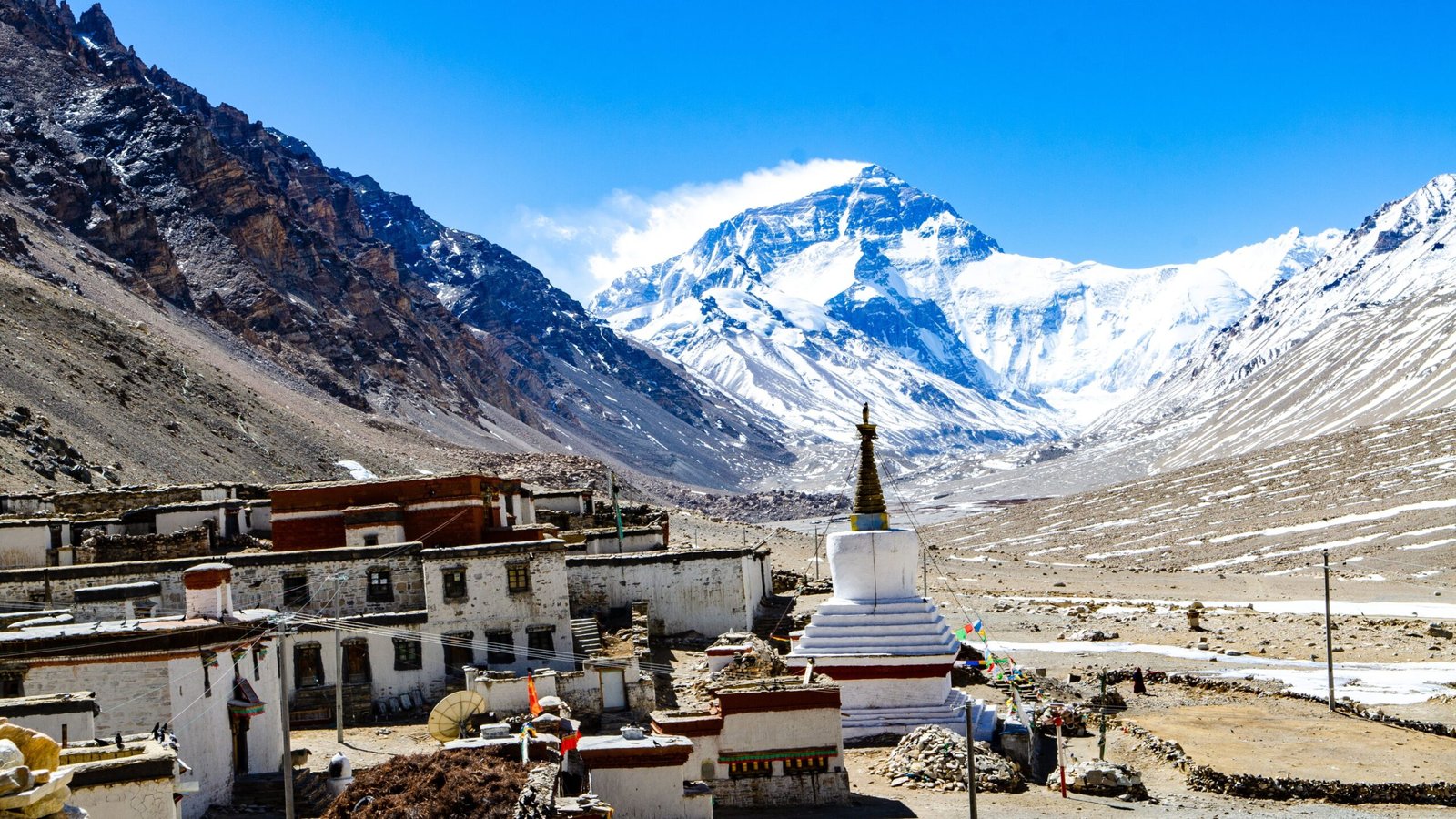
Mount Everest, experienced
in a unique way.
Spiritual guidance
from Prem Mukti Mayi
Spiritual itinerary
through Tibet and extraordinary landscapes
Ancient
monasteries
Lake Manasarovar
and Kora around
Kailash
Mount Everest, experienced
in a unique way.
Who Is This Journey For?
For those who feel the call of Kailash.
For those who feel that this path demands more than a conventional guide.
For those who wish to dive into the internal blue lake.
For those who wish to walk beside the most sacred mountain in the world.
For those who want to know the land of masters and monasteries.
About
Prem Mukti Mayi
A Journey of Self-Transformation
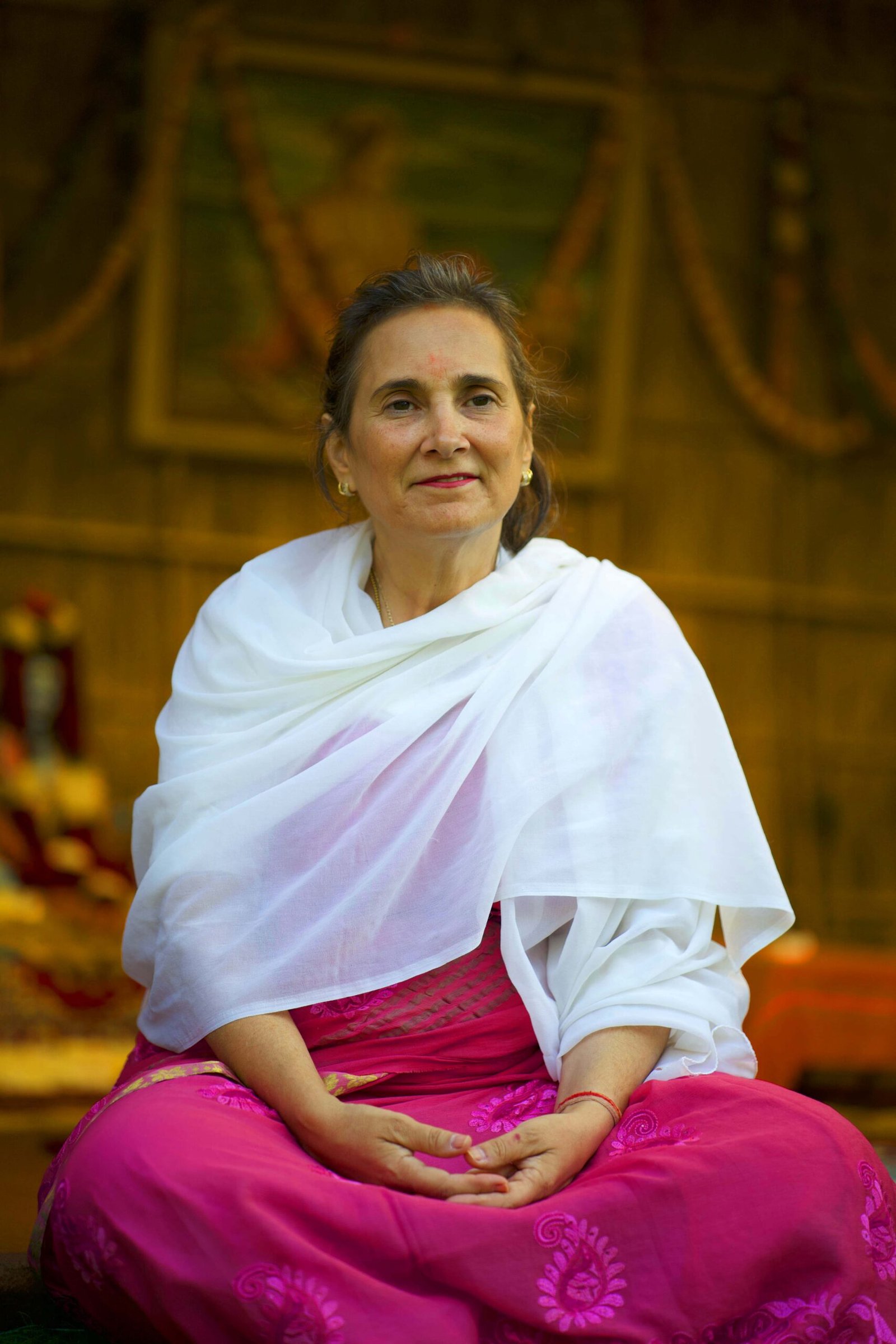
Throughout the entire pilgrimage, we are accompanied by Prem Mukti Mayi — a spiritual leader and mentor whose sensitive and firm presence guides this experience as a true rite of self-transformation. Walking alongside someone who lives and sustains the spiritual dimension of the journey is profoundly different from traveling with a conventional guide.
This pilgrimage is born from a deep calling of one of her students, a request that Prem Mukti Mayi recognized as hers as well. Thus, the path was conceived not as a common trip, but as an inner journey, guided by listening, presence and surrender.
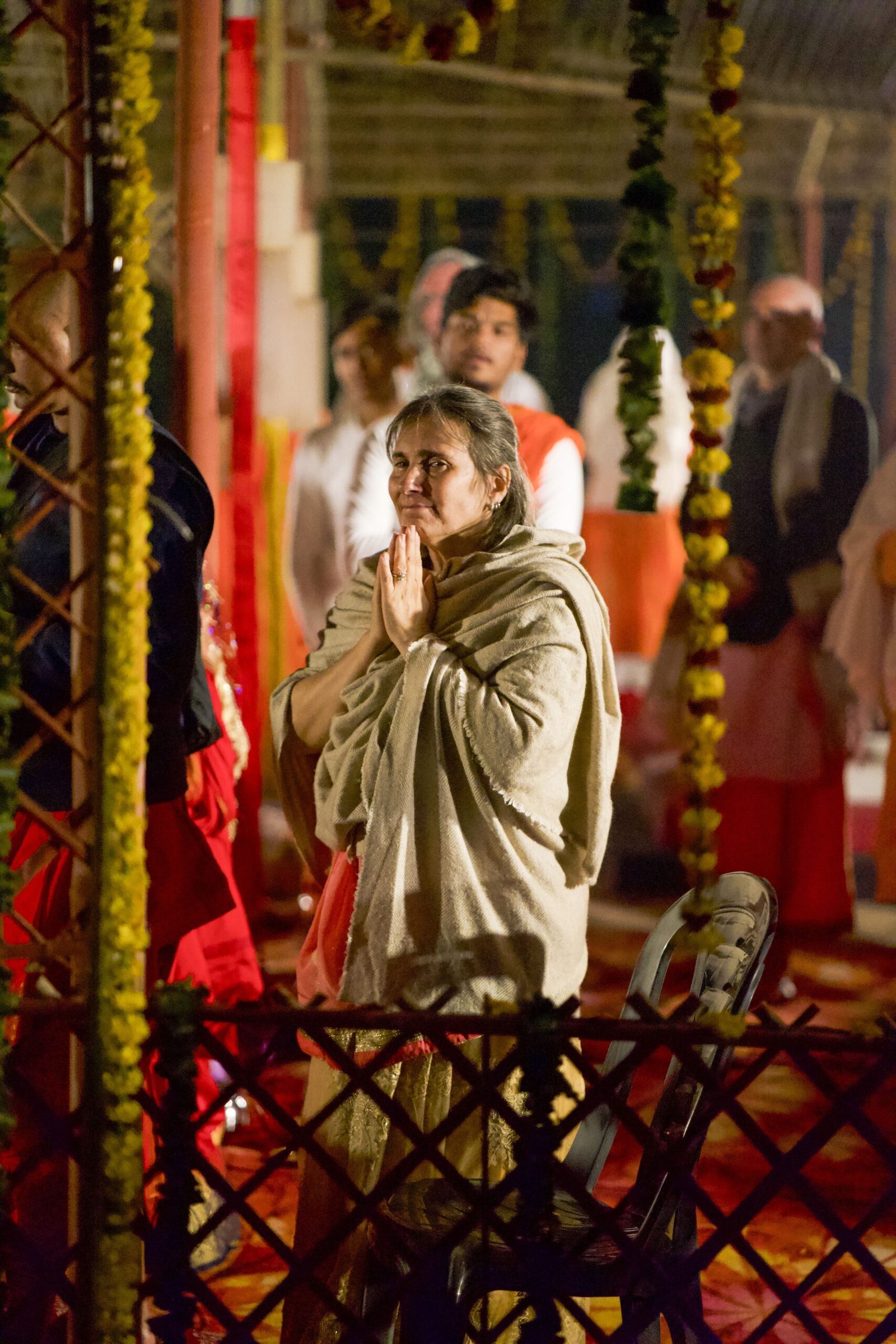
In one of the most sacred territories on the planet — the home of Shiva — each step gains meaning, each silence deepens and each experience transforms into an invitation to self-knowledge. Here, it is not just about reaching a destination, but about understanding what this place awakens in us.
Walking in this territory with Prem Mukti Mayi completely transforms the experience. More than practical guidance, there is a conscious facilitation of the inner process, where science, spirituality and Eastern and Western wisdom integrate, creating a safe field for each participant to complete their own transformation process.
It is not a common trip, but the rare possibility of knowing yourself in one of the most sacred places in the world.
"Freedom is the discovery of who we really are."
Prem Mukti Mayi
Manoel Morgado
Presence and Safety in the Journey
In May 1999, Prem Mukti Mayi undertook her first journey to India and Nepal. The itinerary of this trip was elaborated by Manoel Morgado, who met the group in the first city of the journey and, later, met them again in Nepal.
It was in Nepal that Prem Mukti Mayi experienced a moment of great vulnerability when facing a severe food poisoning. During this challenging period, Manoel Morgado was constantly by her side, offering support and care. It was there that Prem Mukti Mayi directly experienced his work as a doctor, an experience that marked her trajectory and consolidated Manoel Morgado as a reference. Manoel Morgado como uma referência.
When preparing to lead the journey to Mount Kailash in Tibet,Prem Mukti Mayi understood that this crossing required the presence of a guide with extensive experience in mountains of the region, such as Tibet and Everest. It was from this recognition that she stated to her student clearly: "I will only go if Manoel Morgado goes."
Faced with this request, the student sought to know who this guide was, deepened his understanding of his trajectory, and today Manoel Morgado is here, integrating the guidance of this journey alongside Prem Mukti Mayi.
Manoel Morgado is a doctor and high altitude guide with more than four decades of experience in expeditions through the Himalayas, Andes and Alps. Throughout his trajectory, he has led thousands of people in extreme environments, combining clinical knowledge, technical mastery of the territory and a profound understanding of the human body at altitude.
His attentive listening and serene presence offer security, care and confidence at each stage of the crossing, allowing the physical journey to be sustained with responsibility and lightness, while the spiritual process can deepen with tranquility. The experience accumulated over decades of mountain climbing creates a field of welcome that sustains the group both in the challenges of the path and in moments of silence and integration.
"Dreaming is fundamental, it is the first step towards the endless pursuit of what I want to be."
Manoel Morgado
Detailed Itinerary
09/02
Arrival in Beijing
09/03
Flight from Beijing to Lhasa
09/04
In Lhasa
09/05
In Lhasa
09/06
Lhasa to Xigatse
09/07
Xigatse to Xegar
09/08
Xegar to Rombuk Monastery (near Mount Everest Base Camp)
09/09
Rombuk Monastery to Saga
09/10
Saga to Lake Manasarovar
09/11
Lake Manasarovar to Darchen
09/12
Darchen to Tarboche and trek to Dirapuk
09/13
Dirapuk to Zitulpuk Monastery via Dolma La Pass (5,630 meters)
09/14
Zitulpuk Monastery to Barkha Valley and travel to Saga
09/15
Saga to Xigatse
09/16
Xigatse to Lhasa Airport and flight to Beijing
Pilgrimage
to Monte
Kailash
Inclusions
Learn More
Spiritual accompaniment by Prem Mukti Mayi
Guidance by Manoel Morgado
Accommodations
Ground transportation
Tibetan guide
Sherpas (tracking guides)
Accommodations in Lhasa, Xigatse, Xegar, Rombuk, Saga and Manasarovar
Breakfast at main locations
Private ground transportation
Local guide in English
Entrance fees for tours
Permits for Tibet and Mount Kailash
Airport transfers in Lhasa.
Exclusions
Learn More
Meals (lunch/dinner);
Accommodation and meals in Beijing;
Air transportation (Beijing);
Airport transfers in Beijing;
Tips (gratuities);
Tips and travel insurance;
Visa;
Personal expenses;
Expenses incurred in case of political unrest, flight cancellations, natural disasters, epidemics, etc;
Baggage porter costs (optional): USD 45 net per person per day (1 guest = 1 porter) – subject to change during the trip;
Chinese visa and baggage carrier costs.
Want to participate?
Contact Rafael Correia via the contact button on the website.
Frequently Asked Questions
Is it mandatory to do the Kora?
No. The Kora is optional, but participants who do not do it will have support at peaceful points with accommodation.
What is the difficulty level?
Moderate. Main challenges: altitude and slow pace (respecting group and mountain).
Is the trip safe regarding altitude?
Yes. From our arrival in Lhasa, each stage of the journey has been carefully planned to support gradual acclimatization to the altitude.
This deliberate pace ensures that by the time we reach the peak of the journey — the Kora around Mount Kailash, undertaken in the final days of the expedition — we are physically prepared to cross the mountain with greater stability and confidence.
This progressive acclimatization strategy is, in fact, a specialty of Manoel Morgado, who, in addition to being a physician, is a high-altitude mountain guide with extensive experience in extreme elevations. His presence ensures not only the technical planning but also the careful support of each participant throughout the entire journey.
Where do we stay during the Kora?
In simple mountain accommodations at various points along the route.
What about meals during other days?
In mid-range hotels, with double rooms (or single rooms upon request at an additional cost), private bathrooms, and basic comfort in cities such as Lhasa and Shigatse.
What about meals during other days?
Breakfast is included. Lunch and dinner: local choices (with vegetarian options available).
What are meals like during the Kora?
Simple dishes: rice, vegetables, pasta and other basic but nourishing foods.
What do I need to bring for the Kora?
- Small backpack and a lightweight sleeping bag;
- Layered clothing (waterproof and thermal);
- Hiking boots and toilet paper;
- Snacks (nuts, energy bars);
- Trekking poles (optional);
- Quick snacks;
- Lanches rápidos
- Sunscreen, sunglasses, hat, and gloves.
Are luggage carried by yaks?
Yes. During Kora, luggage is transported by yaks or vehicles.
Do I need a visa?
Yes. Requires Chinese visa and special permit for Tibet (organized by the team).
Can I bring electronic devices?
Yes, you can bring electronics. Consider battery capacity and charging options at high altitudes.